 blog
Portable Toilet Pump Out Services: What to Expect
Table of Contents
- What Portable Toilet Pump Out Services Actually Cover
- Portable Toilet Pump-Out Cost: What Drives the Price
- Choosing Construction Toilet Pump-Out Frequency
- Portable Toilet Servicing: More Than Just Emptying
- Portable Toilet Waste Disposal and Compliance
- Event and Industrial Pump-Outs: Different Sites, Different Needs
- How to Compare Pump Out Services and Choose a Provider
- Frequently Asked Questions
Last Updated: October 18, 2026
What Portable Toilet Pump Out Services Actually Cover
Portable toilet pump out services are the scheduled or on-call removal of liquid and solid waste from portable toilet holding tanks, followed by cleaning, sanitising and lawful disposal at a licensed facility.
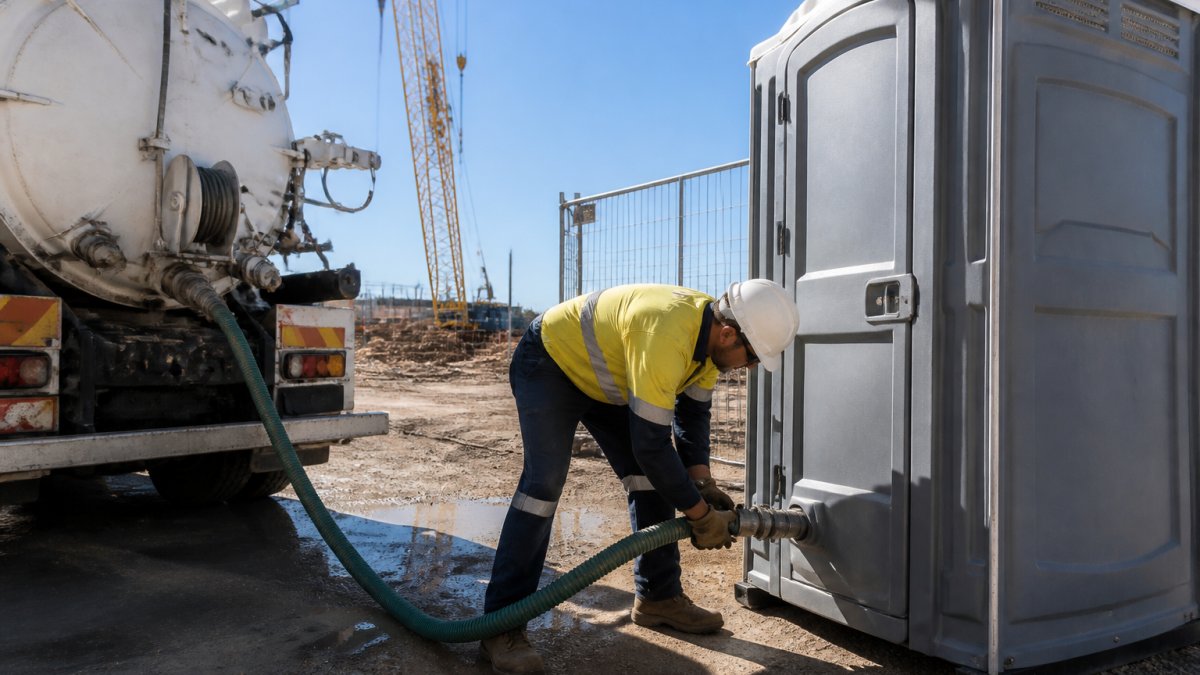
A pump-out is not just a hose and a shrug. It is a three-part job: empty the tank, clean and sanitise the unit, then track the waste to a licensed disposal point.
What Happens During a Pump-Out
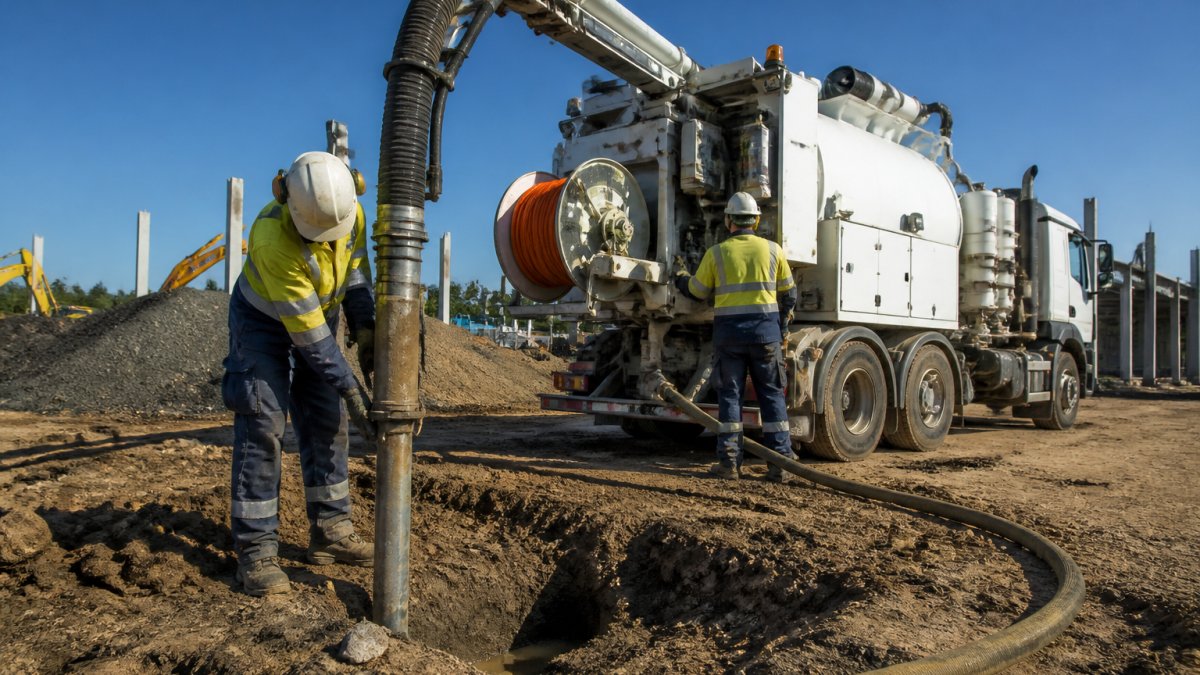
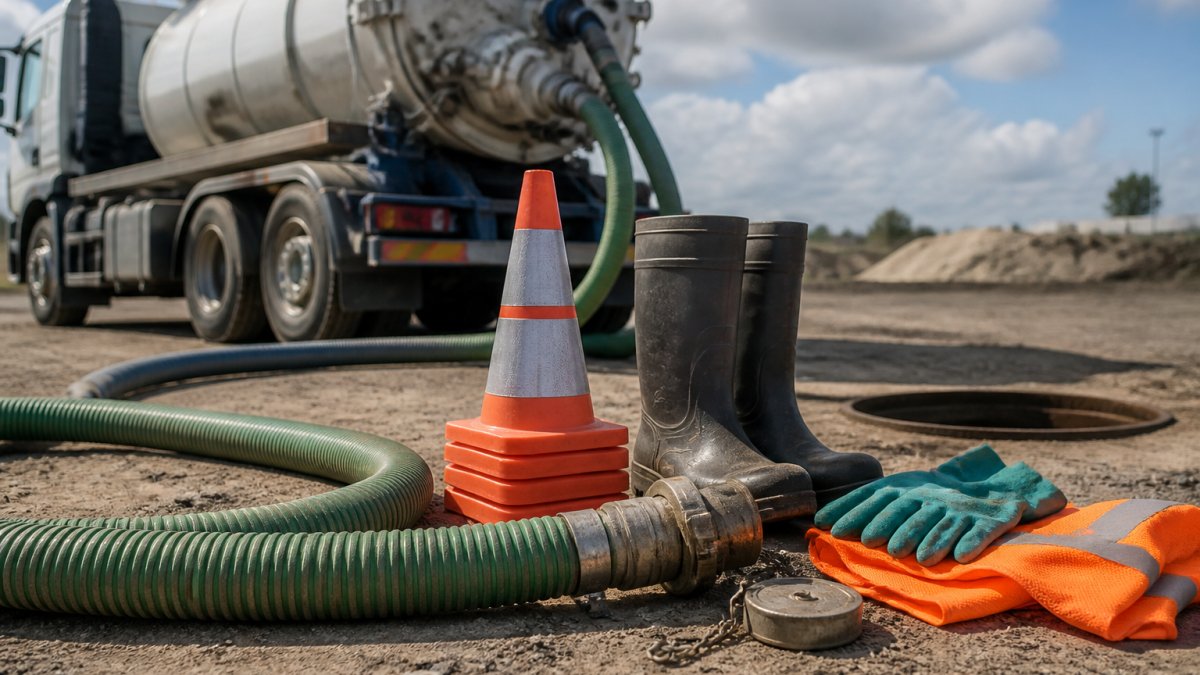
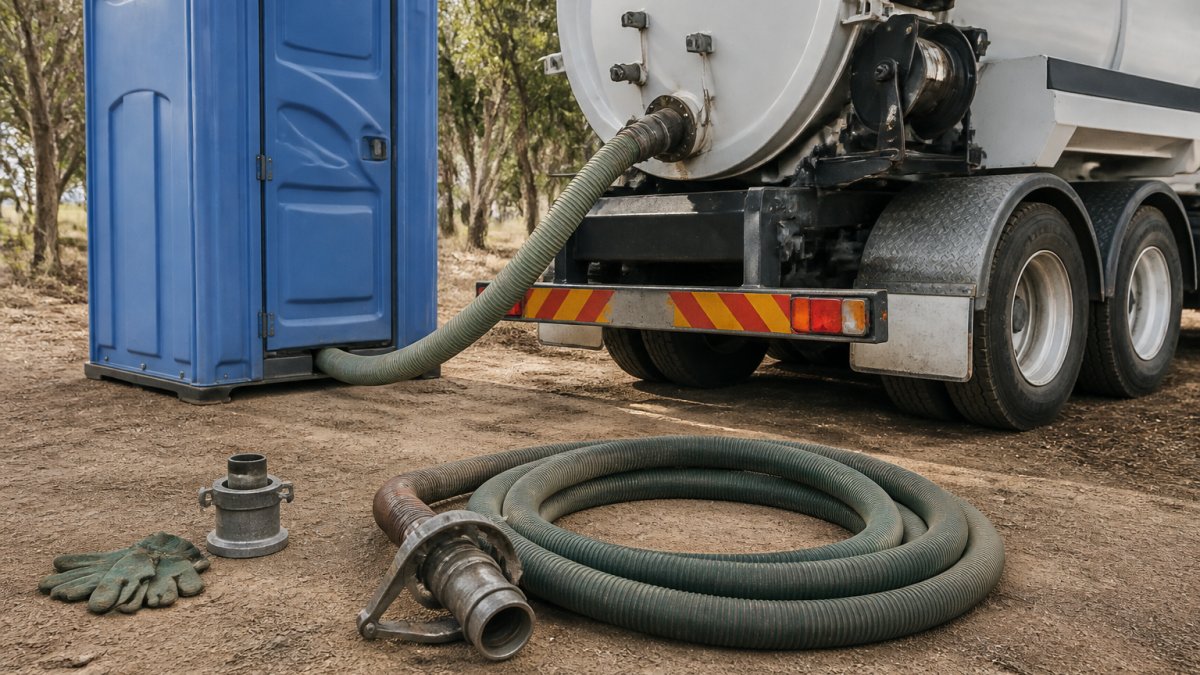
The vacuum truck arrives, the operator connects a hose to the unit's waste tank, and a vacuum system draws the contents out. The tank is then flushed, and the interior is cleaned and sanitised with approved products.
Expect the operator to check the tank level, the unit's condition and the hose connections before starting. A good crew also checks for leaks and reports damage rather than quietly driving off.
Preparation and Site Access Requirements
Access is where most jobs go sideways. The truck needs a clear, firm path to within hose reach of each unit, and gates, overhead wires and parked vehicles all cause delays.
Before the visit:
- Clear a path at least as wide as the truck, with firm ground
- Move vehicles, skips and materials away from the units
- Unlock gates and confirm site induction requirements
- Tell the provider how many units and where they sit
Portable Toilet Pump-Out Cost: What Drives the Price
Pricing for a portable toilet pump-out is not a flat rate, and any provider who quotes one without asking questions is guessing. The price is built from a small number of variables, and understanding them lets you compare quotes on equal terms rather than on the headline number alone.
The main cost drivers:
- Number of units and tank size, more litres means more time on site and more volume to transport and dispose of. A single 250-litre unit and a bank of ten are different jobs.
- Waste type, portable toilet waste, oily water, grease trap contents and sludge are handled differently and may attract different disposal charges at the receiving facility.
- Access difficulty, long hose runs, tight sites, multiple levels or units behind locked gates all add labour time. A unit 60 metres from where the truck can park is not the same job as one beside the fence.
- Frequency, regular scheduled runs usually cost less per visit than one-off callouts because the route and labour are predictable. A weekly contract across a year is priced differently from a single emergency visit.
- Travel distance, sites further from the depot and the disposal facility carry more fuel and driver time. Remote or regional sites often attract a travel charge that is separate from the pump-out itself.
How Quotes Are Usually Structured
Most providers build a quote from three components: a call-out or mobilisation fee (covers getting the truck to site), a per-unit or per-litre pump-out charge (covers the labour and vacuum time), and a disposal fee (covers the receiving facility's gate charge).
When you compare quotes, ask each provider to break the price into those components. A quote that names the unit count, the expected volume, the service frequency, the travel component and whether disposal is included is a quote you can actually compare.
What Changes the Price After the Quote
A quote is only as good as the assumptions behind it.
We do not publish a fixed price list because a quote built on guesswork is a quote you cannot trust. Ask for a written quote that names the unit count, service frequency and what is included in the disposal fee, and ask what would cause the price to change.
Choosing Construction Toilet Pump-Out Frequency
Construction toilet pump-out frequency depends on how many workers use each unit, how long the site runs and how much tank capacity each unit holds. A busy site with 20 workers on one toilet needs weekly or twice-weekly service; a small site with a handful of people can stretch to fortnightly. The table below is a starting guide, but the method underneath it matters more than the numbers.
| Site situation | Suggested frequency | Why |
|---|---|---|
| Small crew, under 10 people | Fortnightly | Low occupancy, slower fill rate |
| Medium site, 10-30 workers | Weekly | Steady use, odour risk rises fast |
| Large or multi-shift site | Twice weekly or more | High occupancy, fast tank fill |
| Event or festival | Daily or per-day | Heavy peak use over short period |
| Long-term hire, low use | Monthly with checks | Monitor levels between visits |
How to Calculate a Starting Frequency
The practical method is to estimate daily fill and compare it to usable tank capacity. A common rule of thumb in the industry is that each user produces roughly a few litres of waste per day, and a portable toilet's usable capacity is well below its nominal tank size because you never want a unit running to the brim. Rather than rely on a single figure, work through the variables:
- User numbers, count peak occupancy, not average. A site with 15 workers but a 25-person morning briefing fills faster than the headcount suggests.
- Tank capacity, check the actual usable volume of your units, not the brochure figure. Larger units buy you time; small units on a busy site do not.
- Shift pattern, multi-shift or 12-hour sites generate more use per day than a standard eight-hour site with the same headcount.
- Site conditions, hot weather, dusty environments and high-traffic locations accelerate odour and fill. A unit in direct sun on a 40°C day needs attention sooner than one in shade.
- Duration, a two-day event with heavy peak use needs daily servicing; a six-month site with steady use can settle into a weekly rhythm.
A simple starting calculation: multiply peak daily users by an estimated daily waste volume per user, divide by usable tank capacity, and that gives you the number of days before a unit needs emptying. Build in a safety margin of around 20-25 per cent so a busy day does not push a unit past capacity before the next scheduled visit.
When to Adjust the Schedule
The real test is tank level and smell, not the calendar. If a unit is nearing capacity before the next scheduled visit, increase the frequency. If units are consistently less than half full at service, you are paying for visits you do not need and can stretch the interval. Under-servicing is the most common cause of complaints on construction sites, and it is entirely avoidable, but over-servicing is a quiet cost that adds up across a long project.
For events, the calculation is different: plan daily servicing across the event window, add extra units for peak periods, and keep a call-up option for the busiest days. For long-term low-use hire, a monthly visit with a mid-month level check is usually enough.
Portable Toilet Servicing: More Than Just Emptying
Portable toilet servicing covers emptying, cleaning, sanitising and restocking, and it is what keeps a unit usable between pump-outs. A pump-out without cleaning leaves residue and odour behind.
A proper service includes:
- Emptying the waste tank fully
- Washing down interior surfaces
- Applying sanitiser and deodoriser
- Checking the toilet paper, hand sanitiser and seat condition
- Inspecting the unit for cracks, leaks or damage
What most people miss is that cleaning and emptying are separate skills on separate schedules. A unit can be emptied weekly but still smell if it is never washed. Build both into your service agreement.
Portable Toilet Waste Disposal and Compliance
Portable toilet waste disposal must go to a licensed facility, and the provider should be able to show where the waste went. Dumping to stormwater, sewer without approval or a random patch of ground is illegal and can land the site owner in trouble.
In Western Australia, liquid waste is regulated, and transport and disposal must follow the relevant environmental and health requirements. Ask your provider how they track loads and whether they can supply disposal records.
Where the Waste Goes
Collected waste is transported by vacuum truck to a licensed liquid waste treatment or disposal facility.
Traceability matters. If a regulator or client asks where the waste from your site went, you want a paper trail, not a shrug. We dispose at licensed, environmentally responsible facilities and keep records of each load.
Western Australian Department of Water and Environmental Regulation guidance on liquid waste
Event and Industrial Pump-Outs: Different Sites, Different Needs
Event and industrial sites need a different rhythm from a construction site.
For events, the plan is daily servicing across the event window, with extra units and a call-up option for peak periods.
One-off jobs are welcome. A small workshop with a single tank to empty every couple of months is as much a job to us as a multi-site contract.
How to Compare Pump Out Services and Choose a Provider
Compare pump out services on reliability, transparency and disposal compliance, not just the headline rate.
Ask every provider these questions:
- Can you show disposal records for each load?
- Is the disposal fee included in the quote?
- What is your response time for an urgent callout?
- Do you service multiple sites and scale up if needed?
- Can you provide references from sites like ours?
Reliability is the whole game. A missed pump-out can shut down a site or ruin an event, so ask for references and check them. We have 18 years of experience across Perth.
Safe Work Australia guidance on workplace facilities and sanitation
Frequently Asked Questions
How often should a portable toilet be pumped out on a construction site?
Construction toilet pump-out frequency depends on how many workers use each unit and how long the site operates. A busy site with multiple units typically needs a weekly service, while smaller crews may stretch to fortnightly. As a rule, book a pump-out before the tank reaches about three-quarters full. High-occupancy sites and hot weather speed up filling, so schedule more frequent visits. Reliable pump out services will recommend a frequency based on your occupancy, then adjust it as the crew grows.
What is included in portable toilet servicing?
A full service covers more than emptying the waste tank. It typically includes pumping out the holding tank, rinsing and sanitising the interior, restocking toilet paper and hand sanitiser, and checking the unit for damage or leaks. Some providers also deodorise the cabin and inspect the door latch and ventilation. Ask what each visit includes before you book, because a cheap pump-out that skips sanitisation leaves odour and hygiene problems behind.
Where does portable toilet waste go after collection?
Collected waste is transported by vacuum truck to a licensed liquid waste facility, where it is treated and processed according to environmental requirements. Reputable providers track each load so waste can be traced from your site to the disposal point. Ask your provider which licensed facility they use and whether they can supply disposal records. This matters for construction and industrial sites that need to show waste was handled legally, and it protects you if a regulator or client requests evidence.
Can portable toilets be pumped out when vehicle access is limited?
Often yes, but it depends on hose reach and how close the vacuum truck can park. Standard hoses usually cover around 30 metres, so tell your provider about tight gates, soft ground, locked compounds or parked machinery before the visit. Clearing a path and unlocking access points on the day prevents failed visits and callout fees. If access is genuinely restricted, ask about longer hose runs or smaller vehicles. Flagging access issues at booking is the simplest way to avoid a wasted trip.
A missed pump-out or a hidden disposal fee can cost you days on site and create a compliance headache. Kwinana Site Services handles bulk pump-outs for construction, industrial and event sites across Perth, with straight quotes, no hidden surprises, and disposal at licensed facilities we can document. We turn up when we promise and take on regular runs or one-off jobs, no matter how messy. Get a quote from Kwinana Site Services and keep your site clean, compliant and running.