 blog
Hydro Excavation Services Western Australia: 2026 Guide
Last Updated: October 23, 2026
Quick Summary
Hydro excavation services in Western Australia expose underground pipes, cables and conduits using a high-pressure water jet and vacuum instead of sharp tools, so buried assets stay intact. The method is slower and costs more per cubic metre than machine digging, but it pays for itself wherever a strike means downtime, injury risk or a repair bill.
- Locating comes first: cable location and pipe tracing mark the probable path, then potholing confirms depth and position.
- Ask for public liability insurance, waste carrier registration, docket samples, a fleet list and two contacted references.
- Cost drivers include volume and depth, hose distance, disposal charges, crew size, timing, and minimum hire or standby.
- Wet slurry cannot go in a standard skip; a registered waste carrier must dispose of it at a licensed facility.
- Confirm hardstand, gate width, overhead clearance and hose run before booking, and get travel charges in writing for regional jobs.
Table of Contents
- What Hydro Excavation Services Western Australia Sites Actually Need
- Non-Destructive Digging: How the Process Protects Underground Utilities
- Choosing Hydro Excavation Contractors in Western Australia
- What Drives Hydro Excavation Cost on a Project
- Hydro Excavation Equipment: Trucks, Nozzles and Support Units
- Civil Construction, Drainage and Industrial Vacuum Work
- Site Access, Spoil Disposal and Regional Coverage
- Conclusion
- Frequently Asked Questions
What Hydro Excavation Services Western Australia Sites Actually Need
Hydro excavation services in Western Australia solve a specific problem: exposing underground assets without cutting through them.
This guide from Kwinana Site Services covers what site managers actually need to know: how the process works, how to choose contractors, what drives cost, and where the service fits on civil, drainage, and industrial jobs.
The short version: hydro excavation is slower and more expensive per cubic metre than a machine, and that is exactly why it exists.
Non-Destructive Digging: How the Process Protects Underground Utilities
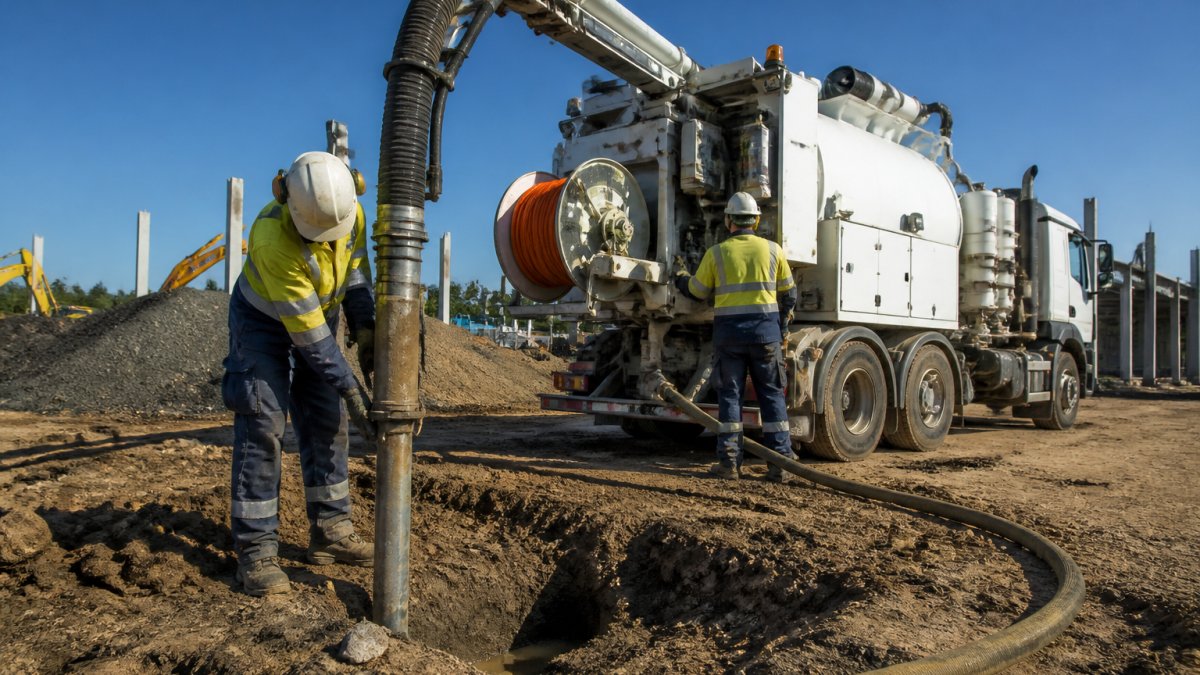
Non-destructive digging (NDD) is the practice of removing soil using water and suction instead of a bucket or auger. The water breaks the ground; the vacuum removes it; the buried asset stays intact.
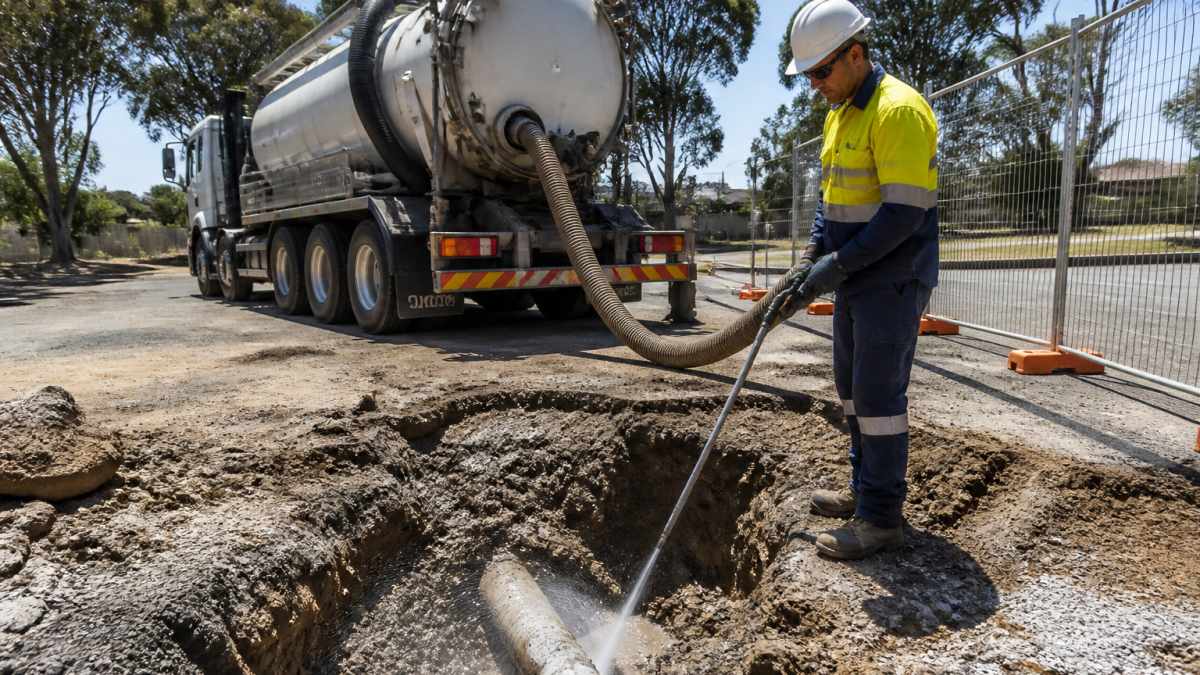
The sequence matters. An operator works in controlled passes, keeping the nozzle at a shallow angle and reducing pressure as the target depth approaches. When the pipe or cable appears, digging stops and the asset is photographed and surveyed before backfill.
Utility Locating and Exposure Before the Nozzle Goes In
Locating comes first. Cable location and pipe tracing mark the probable path, then potholing confirms it. A pothole is a small, precisely excavated opening that proves depth and position.
We recommend potholing every crossing and every service junction on a site before earthworks begin. It costs a fraction of a repair and gives the design team real depths rather than assumed ones.
Choosing Hydro Excavation Contractors in Western Australia
Choosing hydro excavation contractors comes down to verification, not sales pitch. Ask for licence details, disposal records, and references from sites like yours. Then check them.
A contractor who cannot produce tipping dockets from a licensed facility is a liability, regardless of price. Waste tracking obligations sit with the site that generates the waste, so the paper trail protects you.
Verification Checklist Before You Book
- Current public liability insurance certificate, with your project named if required
- Waste carrier registration and docket samples from a licensed disposal facility
- Fleet list: number of trucks, tank capacities, and jetting pressure ratings
- Evidence of utility locating capability, not just digging
What Drives Hydro Excavation Cost on a Project
Hydro excavation cost is not a single rate. It is the sum of mobilisation, labour, water and suction time, disposal, and standby. Most providers quote a combination of an hourly rate and a minimum hire period, with mobilisation and disposal listed separately. Understanding how those parts interact is the difference between a budget that holds and an invoice that surprises.
The six cost drivers
- Volume and depth of material. A single pothole to 1.5 m is a short job. A trench along a service corridor, or a pit that keeps collapsing, is not. Wet, sandy ground slows suction because the tank fills faster and the unit tips more often.
- Access and hose distance. Every extra metre of hose adds friction and time. If the truck cannot reach the work face, a water cart or tipper may be needed to support the operation, and that is a second unit on the clock.
- Disposal distance and facility charges. Wet slurry is heavy and must go to a licensed facility. Long tip cycles reduce the productive hours in a shift, and facility gate fees are usually passed through. Ask whether disposal is included or on-charged.
- Crew size and supervision. A single operator with a wand is standard for potholing. Larger exposures, night work, or confined-space-adjacent tasks may need a second person for spotting and safety.
- Timing. After-hours, weekend, and public holiday work typically carries a loading. Noise restrictions in built-up areas can also limit when jetting and vacuuming can run.
How to read a quote
A transparent quote itemises mobilisation, hourly rate, minimum hire, disposal, and any travel or after-hours loadings. A single lump sum with no breakdown is harder to compare and easier to inflate once work starts. Ask for the rate for additional hours beyond the minimum, and confirm what happens if the scope changes on the day.
Practical budgeting approach
Estimate the number of potholes or the trench length, add a contingency for slower ground and repeat tips, and confirm the minimum hire against the expected duration. If the job is likely to run under the minimum, ask whether a shorter call-out is available. If it will run long, ask for the day rate rather than the hourly rate, it is usually cheaper per hour once the minimum is exceeded.
Hydro Excavation Equipment: Trucks, Nozzles and Support Units
Hydro excavation equipment splits into three parts: the vacuum truck, the water system, and the tooling.
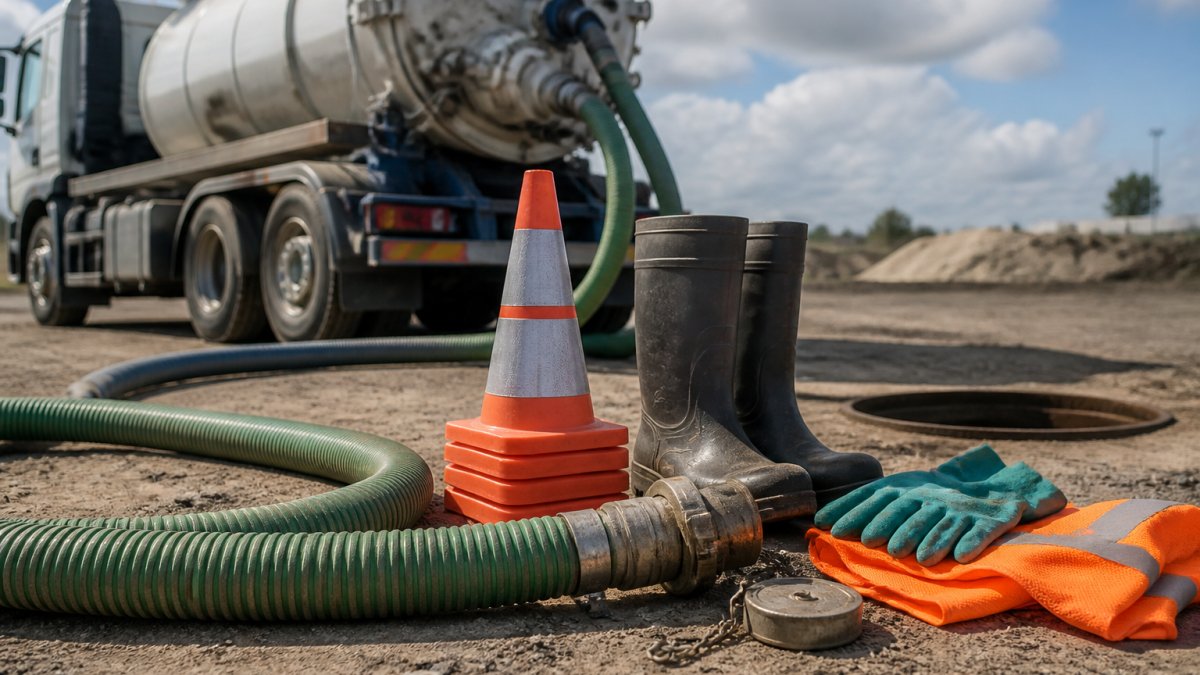
The vacuum truck carries a debris tank, a vacuum pump, and a water tank. Tank size sets how long the unit works before it must tip.
Support units matter as much as the truck. A water cart keeps the jetting supply topped up on remote sites, and a tipper handles spoil transfer where a vacuum truck cannot reach.
Civil Construction, Drainage and Industrial Vacuum Work
Civil construction and infrastructure projects use hydro excavation for service crossings, potholing, and tie-ins where a machine cannot safely work. Government infrastructure and utility upgrades often specify non-destructive methods for exactly this reason.
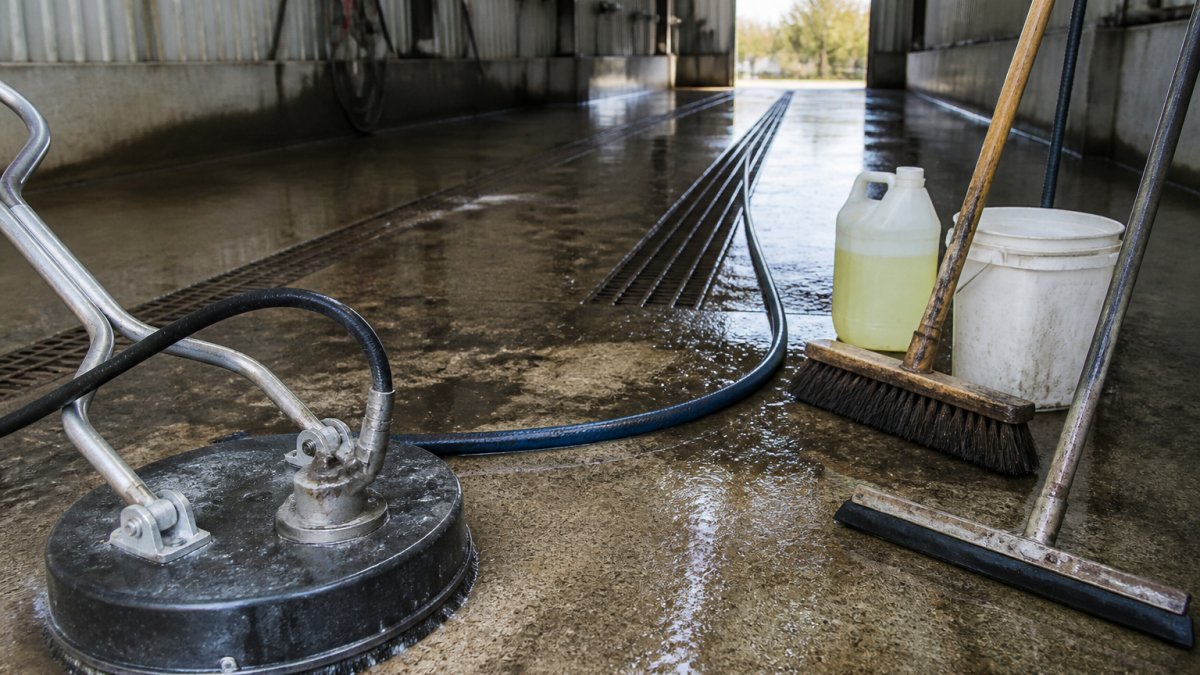
Drainage and drain cleaning is the second major application. High-pressure jetting clears silt, roots, and grease from stormwater and sewer lines, and the vacuum removes the debris rather than flushing it downstream. Industrial vacuum cleaning covers wash bays, oil separators, sumps, and sludge removal, plus vacuum loading of dry and wet materials.
Site Access, Spoil Disposal and Regional Coverage
Site access planning is where projects are won or lost. A vacuum truck is a heavy vehicle with a long hose run, and it needs to be able to reach the work face safely and legally. Confirm the following before the truck is booked:
- Hardstand and ground conditions. The truck needs stable, level ground. Soft or recently filled ground can fail under a loaded vacuum truck.
- Gate width and overhead clearance. Allow roughly 3 metres of width for the vehicle and check for low branches, powerlines, and awning heights along the access route.
- Hose run. Practical hose runs are limited. Long runs reduce suction performance and add time, so position the truck as close to the work face as safely possible.
- Traffic and pedestrian management. On public roads or shared sites, a traffic management plan may be required before the truck can set up.
- Services clearance. Confirm there are no overhead or buried services where the truck will park and where the hose will run.
Spoil disposal is a compliance issue
Hydro excavation produces wet slurry, not dry dirt. It cannot go into a standard skip. The slurry must be transported by a registered waste carrier and disposed of at a licensed facility, and the site that generates the waste carries responsibility for the paperwork. Keep a docket for every load and reconcile loads against the job.
Ask the contractor before work starts:
- Which licensed facility will receive the spoil?
- Is disposal included in the quote or on-charged per load?
- Who holds the waste tracking documentation?
- How is the slurry classified, and does that classification change the disposal route?
Regional and remote coverage
Metropolitan work is straightforward because trucks and disposal facilities are close together. Regional and remote projects need honest mobilisation planning. Travel time, accommodation, and the distance to the nearest licensed disposal facility all affect cost and turnaround. Ask for travel charges and expected response times in writing, and confirm whether the contractor has worked in your region before. A provider who plans mobilisation openly is easier to schedule around than one who quotes a metropolitan rate and adds travel later.
| Project factor | What to confirm | Why it matters |
|---|---|---|
| Access | Hardstand, gate width, hose run, overhead clearance | Prevents day-one delays |
| Spoil | Licensed disposal route, dockets, who pays | Compliance stays with your site |
| Timing | Day or night operations, noise limits | Local restrictions vary |
| Location | Mobilisation, travel charges, response time | Regional jobs cost more and take longer |
| Scope | Hourly rate, minimum hire, standby | Avoids invoice surprises |
Conclusion
The hard part is not finding a vacuum truck. It is finding one that turns up, disposes of the load legally, and quotes without surprises.
Kwinana Site Services has run liquid waste and vacuum operations across the metropolitan area for 18 years. We offer straight quotes with no hidden extras, disposal at licensed facilities, and both regular runs and one-off jobs, including hydro excavation and vacuum truck support for site projects.
Frequently Asked Questions
What is hydro excavation and how does it work?
Hydro excavation uses a high-pressure water jet to break up soil while a vacuum hose pulls the loosened material into a tank on the truck. The water pressure cuts through dirt but passes over buried pipes and cables without the impact damage a bucket or auger causes. Most units run a water cart alongside the vacuum truck so the crew can refill and keep working. The result is a clean, precise hole around underground utilities, with the spoil captured rather than scattered across the site.
What affects hydro excavation cost?
Hydro excavation cost depends on how many holes you need, their depth, soil type, and how far the crew has to travel. Access matters too: a tight site where the truck cannot park close to the dig point takes longer. Slurry volume drives disposal charges, since the wet spoil has to be transported and treated at a licensed facility. Minimum hire periods and after-hours work also shift the number. Ask for a scope-based quote rather than a headline rate, and confirm what disposal is included.
What should I check before hiring hydro excavation contractors?
Confirm the contractor holds current public liability cover and can show it before mobilising. Ask whether they handle utility locating themselves or expect you to supply a cable location report. Check what equipment they run, whether they have a water cart on board, and where the spoil goes. Ask for references from construction or industrial sites similar to yours, and get the minimum hire period and callout terms in writing. A contractor who answers these plainly before the job is usually the one who turns up on the day.
Is hydro excavation suitable for tight-access construction sites?
It often is, provided the truck can get within hose reach of the dig point. Vacuum excavation units need room to park and a clear run for the suction hose, which is typically longer than the water wand. On constrained sites, crews work in shorter reaches and reposition the truck as the hole progresses. Tell the contractor about overhead lines, gates, weight limits on access roads and any permits needed, so they can size the equipment to the site rather than discovering the problem on arrival.