 how-to
How to Book an Industrial Pit Pump-Out Contractor Safely
Quick Summary
A pit pump-out is the removal of liquid, sludge and silt from an industrial pit or pump station by a vacuum tanker crew. Book by getting a written quote that states scope, waste type, access, cleaning and disposal fees, then compare quotes like-for-like before accepting.
- Clear access, check ground load and mark the pit before the tanker arrives.
- Confirm in writing whether cleaning, disposal fees and a disposal record are included.
- Request standard-hours and after-hours rates separately to avoid surprise charges.
- Watch for slow drainage, odours, pump alarms or rising sludge as signs the pit is overdue.
- Ask for licences, insurance and confined-space procedures before you book.
Table of Contents
- Preparing the site before the truck arrives
- How Often Does an Industrial Pit Need Pumping Out?
- Getting a Clear Pump-Out Service Quote
- Liquid Waste Disposal, Transport and Paperwork
- Safety and Site Access Checks for Your Contractor
- Booking Your Next Site Pump-Out Service
- Frequently Asked Questions
How an Industrial Pit Pump-Out Works, Step by Step
Booking the right contractor starts with understanding what happens on the day. A proper industrial pit pump-out follows a clear sequence, and knowing it helps you ask better questions before you sign off on a quote.
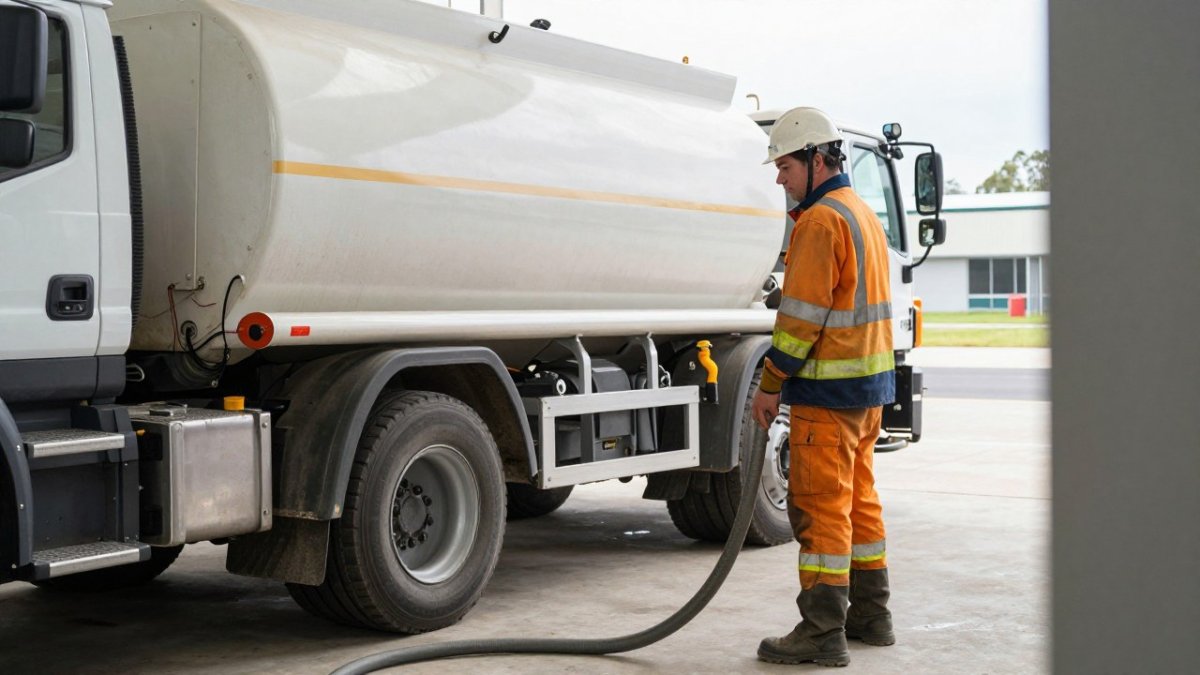
Each stage of a pump-out matters for safety, for the quality of the clean-out, and for the paperwork you may need later.
Preparing the site before the truck arrives
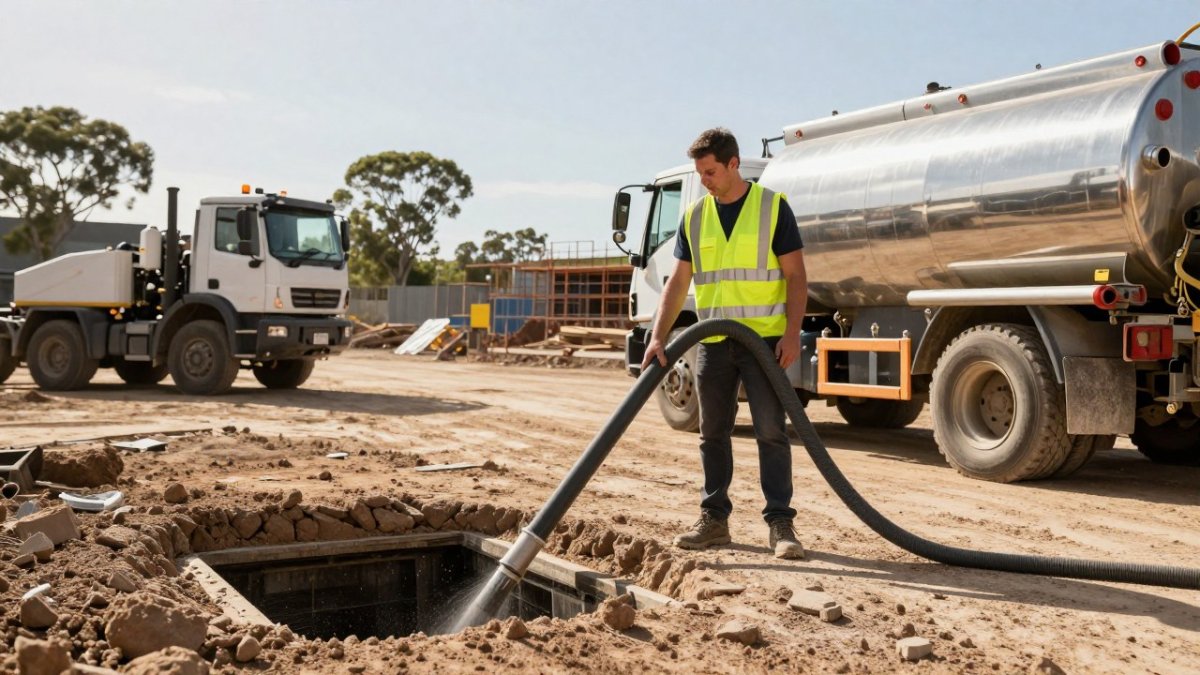
Preparation prevents many common problems on site. Clear the access route for the vacuum tanker, check the ground can take the weight, and mark out the pit so the driver knows exactly where to set up. Confirm the pit lid can be lifted safely and that someone on your team knows the lock-out or isolation requirements for any pumps.
Ask the contractor what they need from you before the day. Most delays come from blocked access, locked gates or a pit that nobody told the driver about.
Pumping out and cleaning the pit or pump station
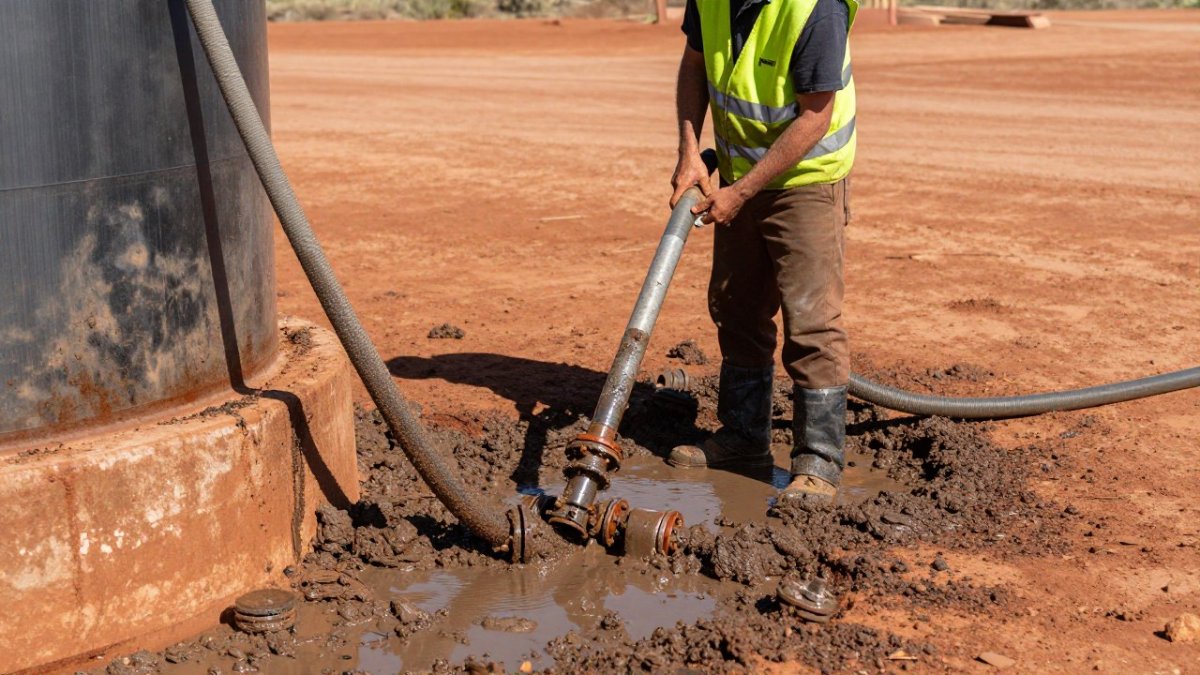
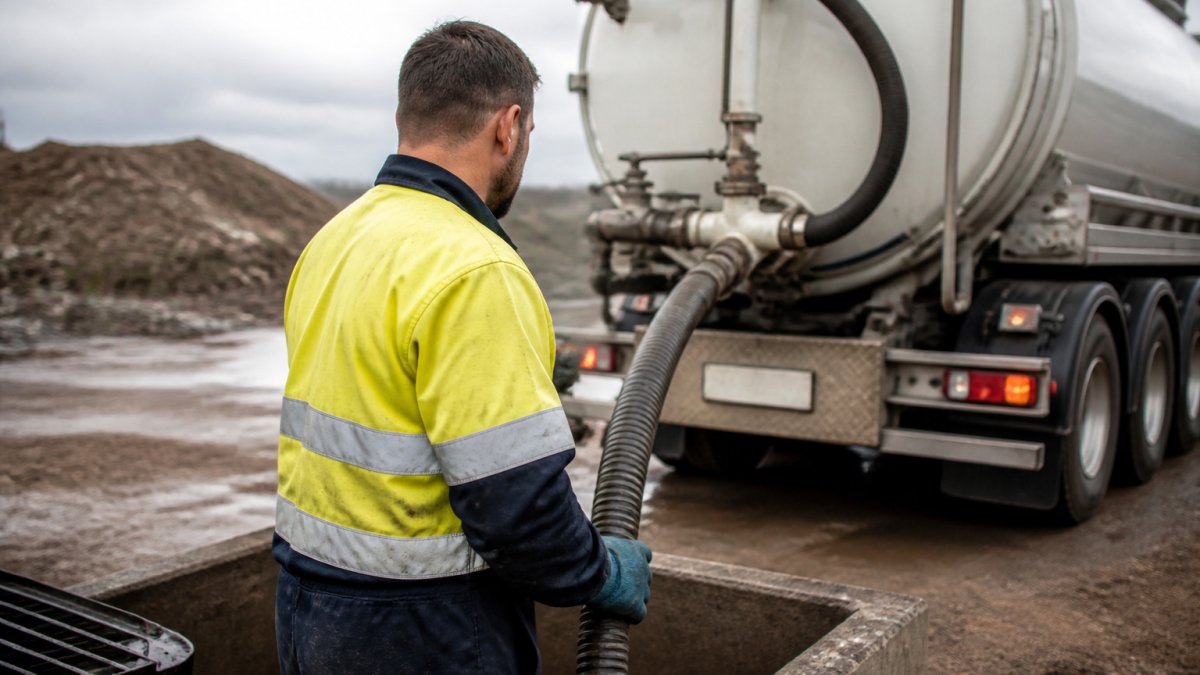
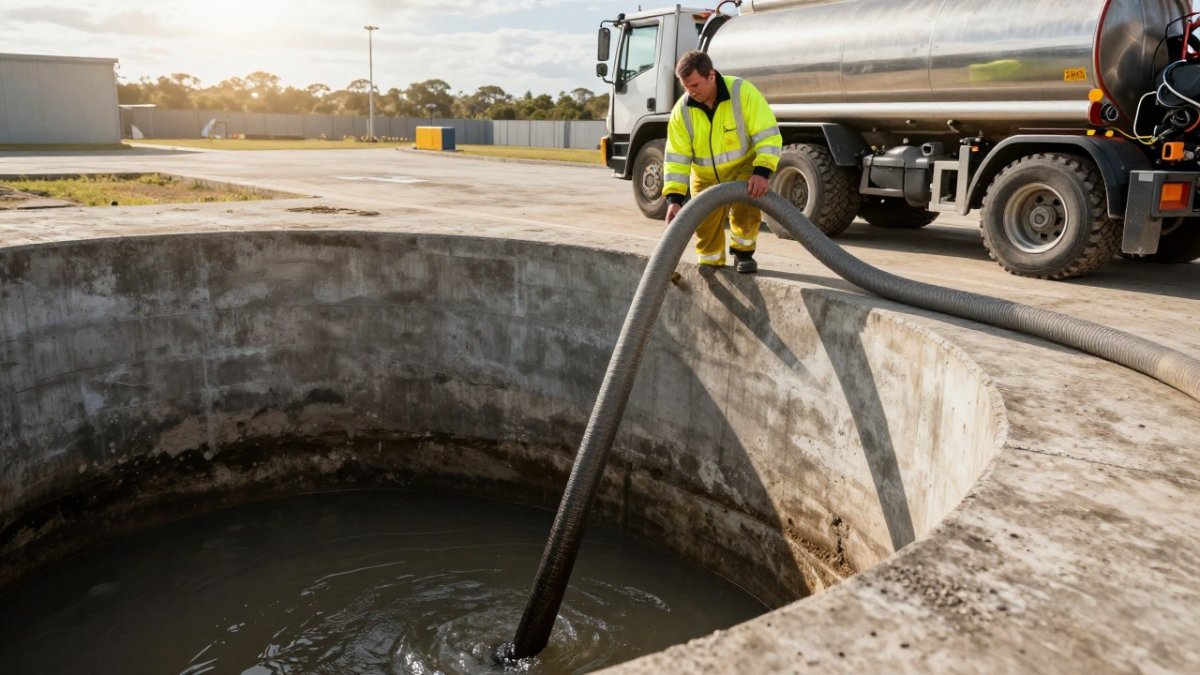
Once the tanker is in position, the crew lowers the suction hose and removes liquid, sludge and silt.
After the bulk liquid is out, the walls and floor can be cleaned so solids do not build up again quickly. Ask whether the price includes this final clean.
How Often Does an Industrial Pit Need Pumping Out?
There is no single answer, but a pit that fills faster than it drains usually needs attention sooner. The right interval depends on the volume of water and waste going into it, the type of waste, and how the pit performs between services.
Watch for warning signs such as slow drainage, odours, pump alarms or sludge rising near the outlet. When any of these appear, the pit is overdue, regardless of the schedule you have been following.
Watch out: leaving a pit too long can block pumps and outlets, which turns a routine clean into a much larger and more expensive job.
Getting a Clear Pump-Out Service Quote
A useful quote states the scope, not just a total. Pricing depends on quantity, access, timing and the type of waste, so request a written quote that lists these factors. Use the checklist below to compare quotes like-for-like, a low headline number often excludes the items that matter.
Cost drivers to check on every quote
- Volume and pit size. A shallow holding pit and a deep pump station are different jobs. Ask whether the quote is based on estimated volume, number of tanker loads, or a fixed price.
- Waste type. Sewage, oily water, sludge and silt are classified and disposed of differently, and disposal fees vary accordingly. Confirm the waste type is named in the quote.
- Access. Restricted access, long hose runs, or the need for a smaller tanker all add time and cost. Tell the contractor about gates, overheads and ground conditions up front.
- Cleaning and inspection. Confirm whether high-pressure cleaning, outlet clearing and a condition report are included or priced as extras.
- Timing. Ask whether after-hours, weekend or emergency call-outs carry a different rate, and request standard-hours and after-hours rates separately.
- Disposal and documentation. Check whether disposal fees and a disposal record are part of the price.
Questions to ask before you accept
Ask what is included in the pump-out, whether cleaning is included, how waste is transported, and whether disposal fees are part of the price. A quote that cannot answer these in writing is not a quote you can compare.
You can request a quote through the Kwinana Site Services website to discuss your site and get a clear price before any work starts.
The article lists the main cost drivers to check on every quote, so you can compare like-for-like.
| Cost driver | What to check | Why it matters |
|---|---|---|
| Volume and pit size | Estimated volume, tanker loads or fixed price | Shallow and deep pits are different jobs |
| Waste type | Sewage, oily water, sludge or silt named | Disposal fees vary by waste type |
| Access | Gates, overheads, hose runs, tanker size | Restricted access adds time and cost |
| Cleaning and inspection | High-pressure clean, outlet clearing, condition report | Often priced as extras |
| Timing | Standard-hours and after-hours rates | Weekend and emergency rates can differ |
| Disposal and documentation | Disposal fees and disposal record included | Needed if you must show where waste went |
Liquid Waste Disposal, Transport and Paperwork
Liquid waste must be transported and disposed of properly, and you should be able to see the paperwork. Ask the contractor how the waste is classified, which facility it goes to, and whether they will provide a receipt or disposal record for each job.
Keeping these records protects your site if you are ever asked to show where your waste went. Kwinana Site Services disposes of waste at licensed, environmentally friendly facilities, so you can ask for a clear trail from pit to disposal.
Safety and Site Access Checks for Your Contractor
Before you book, confirm the contractor's safety approach. Ask about their licences and insurance, how their crew handles confined spaces and hazardous gases, and what personal protective equipment they use. A reputable contractor will answer these questions plainly and will not push you to skip site checks.
Check their access requirements too. Some sites need inductions, permits or a supervisor on hand, and a contractor who plans for these will cause far fewer surprises on the day.
Booking Your Next Site Pump-Out Service
Choosing the right contractor comes down to clear scope, documented disposal and a team that turns up when it says it will. Start by sending your site details and pit access notes, then compare written quotes against the checks above.
If you are planning a regular pump-out schedule or a one-off clean, Kwinana Site Services can help. Visit our site pump-out service page to see how we handle holding tanks and site toilets, or request a pump-out quote to get started. For bulk jobs, see our industrial liquid waste removal service, or check oil separator and wash bay cleaning if your pit holds oily water.
Kwinana Site Services has 18 years of experience in liquid waste removal across Perth. Call 0490 806 170 for a straightforward quote.
Frequently Asked Questions
What should I check before booking an industrial pit pump-out?
Confirm the contractor holds the licences and insurance needed for liquid waste work in Western Australia, and ask how they will document each load. Check that they can reach your site with a vacuum truck, that they understand the contents of your pit, and that they will tell you about any confined space or site access rules before arrival. A written scope of work protects both sides and avoids surprises on the day.
What information does a contractor need to give a pump-out service quote?
Give the contractor the pit or pump station size, the type of liquid (for example, sewage, oily water or sludge), the estimated volume, site access details and how often you need the service. Photos of the pit and access route help. The more accurate the information, the more accurate the quote. Pricing depends on volume, disposal costs, travel distance and urgency, so ask for a quote that lists each of these items separately.
How do I confirm where pumped-out waste will be disposed of?
Ask the contractor which licensed facility will receive the waste and request the waste transport and disposal documentation for each load. Your records should show the waste type, volume, collection date and receiving facility. Keeping these records on file helps you demonstrate compliance with your environmental obligations if your site is audited.
How often should an industrial pit be pumped out?
Pump-out frequency depends on the volume of liquid entering the pit, the type of waste, and how the pit is used. Sites with heavy wash-down or oily water may need frequent service, while lightly used pits may only need it periodically. Review the level and condition of the pit at each visit and adjust the schedule so the pit never reaches overflow levels.